The Callback Starts at Load-In: Seven Signals Headliners Read Before Your First Chord
I have played opening slots where I thought I was just there to heat up the room. I have also been on the other side, watching a support act from the wings and thinking, yeah, this person is getting a callback. The difference is rarely the songs. It is usually the stuff that happens before the songs.
In 2026, a support slot is not a victory lap. It is a job interview with a very quiet hiring committee. The headliner is not filling out a scorecard, but their crew is paying attention. The tour manager is paying attention. The promoter is paying attention. And the things they notice are small, practical, and almost never announced.
So here is what gets clocked before your first chord, and why each one can turn into a text that says come back next time, or a silence that says good luck out there.
1. The advance email is your actual handshake
The advance email is not paperwork. It is the first impression you make on someone who has already been on the road for three weeks. Headliners and their teams notice when you read the details, confirm the load-in time, and send a clean stage plot and input list without being chased.
They also notice when the email is a mess. If you are bringing eight people instead of the four on the contract, say so early. If you need a house drum kit, ask before the day of the show. If your merch setup needs a table and a power drop, mention it now. The headliner is not looking for perfection. They are looking for someone who will not create a surprise at 4 p.m. on a show day.
A good advance says: I know what I am walking into, and I am not going to make your day harder.
2. Load-in discipline tells the whole story
You can learn a lot about a band by watching them park. Do they block the load-in door? Do they stack cases in the path the headliner needs? Do they ask where to put things, or do they just claim the first open square of floor?
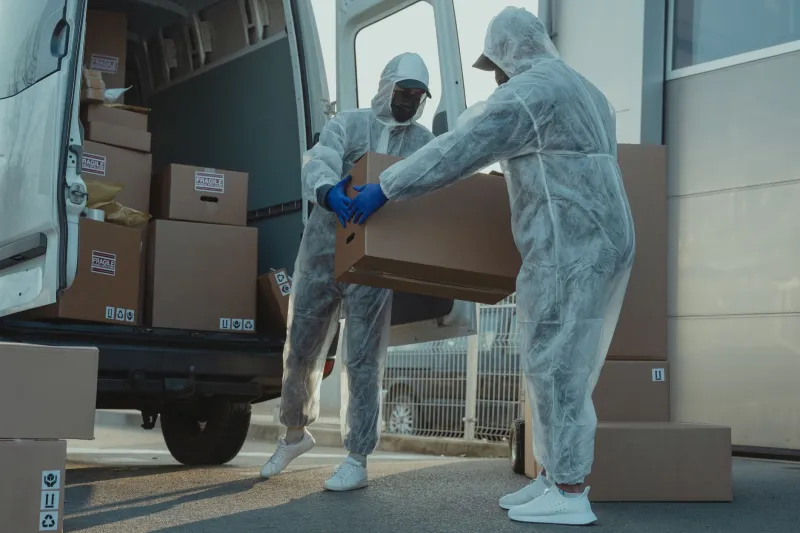
Headliners notice this because load-in is the most crowded, least romantic part of the day. The crew is moving fast. The venue has one good door and maybe a ramp. If you show up on time, keep your footprint tight, label your cases, and stay out of the way when the headliner is loading in, you look like a pro. If you show up late with a loose pedalboard and no plan, you look like a problem.
This is not about being invisible. It is about being easy to work with. That is a real skill, and it gets remembered.
3. Soundcheck is a listening test
Soundcheck is not rehearsal. Headliners and engineers notice when a support act treats it like one. Know your arrangement. Know your changes. Be ready to play a verse and a chorus, get your monitors sorted, and move on. The engineer is not there to help you find your artistic truth at 5:15 p.m. They are there to make the room sound right.
Also, be kind to the engineer. Ask for what you need clearly. Do not blame them if you cannot hear. Do not spend twenty minutes chasing a tone that will not matter once the doors open. The way you handle soundcheck says a lot about how you will handle the show.
Headliners hear the room. They hear how you talk to the crew. They hear whether you are solving problems or creating them.
4. The merch table is a lobby, not a sales floor
The merch table is where a lot of opening acts accidentally make a bad impression. Do not hard-sell during the headliner's set. Do not undercut their merch. Do not leave your trash on the table. Do not disappear for an hour and leave a friend who does not know the prices running the booth.
Be present. Be friendly. Be organized. If someone asks about the headliner, point them to the right table. If you sell a shirt, great. If you do not, that is fine. The merch table is not just a cash register. It is a lobby where people decide whether they like you as a person.
And yes, headliners notice if you pack up your table and split before their set. That tiny choice says more than a thousand Instagram captions.
5. Social media is a public conversation
In 2026, everyone can see how you talk about a show. Headliners notice when you tag them correctly, promote the night, and do not imply you are a co-headliner when you are opening. They notice when you post a blurry photo of their set without asking, or when you complain about the crowd online, or when you make the whole night about your set time.
Keep it simple. Promote the show. Tag the venue and the headliner. Thank the promoter. Do not leak the setlist. Do not post a screenshot of a private message. Do not turn a bad draw into a public subtweet. The internet is a small town, and tour managers talk to each other.
A little professionalism online goes a long way. It tells people you understand the gig is bigger than your thirty minutes.
6. How you treat the crew is the real reference check
Learn names. Say thank you. Do not touch gear that is not yours. Do not ask the crew for free drinks or free shirts. Do not leave your water bottles and setlists all over the stage. Pick up your trash. Fold your cables. Put your cases where they belong.
The crew is the nervous system of a tour. They see everything. They talk to the tour manager. The tour manager talks to the headliner. If they say you were easy, that is worth more than a good review. If they say you were a headache, that is a quiet no you may never hear about.
This is the part nobody puts on a poster. It is also the part that gets people rebooked.
7. Stay for the headliner's set
This one is simple and weirdly rare. Stay for the headliner. Watch the show. Do not talk through it. Do not stand by the bar with your back to the stage. Do not pack your van during the first song. If you have to leave early, tell the promoter or the tour manager. Be a person in the room, not just a person who used the room.
Staying is not about kissing up. It is about being part of the night. It is also the best free education you can get. Watch how they pace a set. Watch how they handle a quiet crowd. Watch how they talk between songs. You will learn something, and the headliner will notice that you cared enough to be there.
The callback is usually quiet
Nobody is going to hand you a scorecard after the show. The callback might be a text from the tour manager three months later. It might be a promoter saying your name to another promoter. It might be a headliner saying, yeah, they were cool, bring them back. It might just be silence, which is also information.
The opening slot is a job interview, not a warm-up. You can play great and still not get the call because you made the day harder. You can play fine and get the call because you were easy, professional, and present. In 2026, with touring costs what they are and crews stretched thin, the small stuff is not small. It is the whole thing.
So treat load-in like the first verse. Treat the advance email like the hook. Treat the crew like your band. And stick around for the headliner. The next gig might depend on it.