Fast, Friendly, and Feedback-Free: My Load-In-to-Doors Soundcheck Playbook
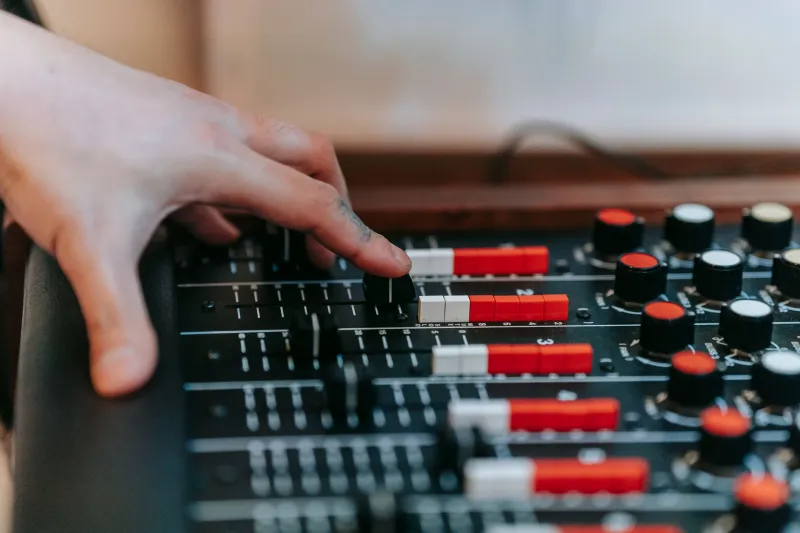
There is a special kind of panic that arrives around 6:47 p.m. at a club with a 7:00 doors time. The van is half-unloaded. Someone cannot find the power supply for the pedalboard. The opener is already asking if they can soundcheck first. And the person behind the mixing console — the one person who can make your vocal sound like a warm hug or a duck trapped in a trash can — has exactly eleven minutes to give you before the room fills up with people who paid to hear music, not your kick drum mic check.
I have blown that window more times than I want to admit. I have been the artist who says 'just make it sound good' and then acts surprised when the monitor mix is a mystery. I have pointed at a wedge and made a face instead of forming a sentence. I once asked for 'more warmth' in a vocal and got a look that could have melted a DI box. So this is not a lecture from someone who has it figured out. It is a field report from someone who has learned, slowly and loudly, that a fast soundcheck is mostly about communication.
The Clock Starts Before You Plug In
The best soundcheck advice I ever got came from a sound engineer in Cleveland who had seen approximately nine thousand bands and remembered none of their names. He said, 'I do not need you to be great. I need you to be clear.' That has become my whole approach.
Before anyone plugs in, walk up to the console, introduce yourself, and ask what they need from you. Hand over a stage plot if you have one — even a napkin drawing is better than a shrug. Ask which channels they want checked first. Ask if there are any house rules about volume, monitors, or where you should leave cases. This takes maybe forty-five seconds and saves five minutes of confused pointing later. It also signals that you understand the room does not revolve around your set.
Do not open with 'We need a lot of monitors.' Open with 'What is the fastest way to get us going?' That is the difference between a collaborator and a headache.
Minutes 1 Through 3: Get a Voice That Cuts, Not a Voice That Crawls
Muddy vocals are usually a combination of three things: the mic is too close to a corner, the low end is stacking up, or the singer is eating the microphone like it is a burrito. Before you ask for EQ changes, check your own technique. Back off the grille a little. Do not cup the mic. Sing one line at actual performance volume, not a whisper and not a scream.
If it still sounds cloudy, describe the problem without insulting the room. 'The vocal feels a little thick in the low mids' is useful. 'It sounds bad' is not. Ask for a specific experiment: 'Can we try a high-pass on the vocal?' or 'Could we pull a little 300 out of the vocal and see if that opens it up?' If the engineer says no, ask what they hear. Sometimes the issue is the monitor, not the house. Sometimes it is the room. Sometimes it is the fact that you are standing directly in front of the drum riser and your vocal mic is catching everything but your voice.
A good soundcheck is a series of small, testable questions. Do not stack five requests into one sentence. Pick the biggest problem, fix it enough, and move on. Perfect is not on the menu. Playable is.
Minutes 4 Through 6: Feedback Is a Conversation, Not a Crime
Feedback happens. It is not a moral failure. It is physics with a bad attitude. When a wedge starts to ring, resist the urge to yank the mic away, cover it with your hand, or yell 'whoa' into the system. That usually makes it worse and makes you look like the villain in a sound engineer's group chat.
Identify the source out loud: 'That is the vocal mic in my monitor.' Then let the engineer work. If they ask you to step back, step back. If they ask you to sing again, sing again. If the feedback keeps coming, ask if they can ring out the monitor or lower the gain a touch. Do not demand more volume in the same breath. You cannot fight feedback by adding more of the thing that is causing it.
This is also where tone matters. The engineer is not trying to ruin your art. They are trying to keep the room from sounding like a dial-up modem. Treat the feedback as a shared problem, not a personal attack. 'Can we try one notch to kill that ring?' works a lot better than a dramatic sigh.
Minutes 7 Through 9: The Band Has to Hear Each Other
Monitor mixes are where soundchecks go to die. Every band member wants something different, and everyone wants it right now. The trick is to ask for one change at a time and use plain language. 'More vocal in my wedge.' 'A little more kick in the drum fill.' 'Can I get guitar in the middle?' Avoid vague requests like 'more me' unless you are prepared to point at exactly which 'me' you mean.
If you are the singer, get your vocal right first. Then let the drummer ask for their thing. Then the bass player. Then the guitar player. If someone starts tweaking knobs on stage, gently stop them. The house engineer owns the console. You own your performance. Stay in your lane, and the eleven minutes will go faster.
One more thing: do not play a full song. A ten-second burst of the loudest part tells you more than a verse and a chorus ever will. Save the full run-through for the set. The soundcheck is not a rehearsal. It is a systems test with feelings.
Minutes 10 Through 11: Protect the Room and the Relationship
With the clock running out, do a quick walk across the stage. Check that you can see the band, that your mic cable is not a tripwire, and that your setlist is somewhere you can actually read it. Thank the engineer by name if you caught it. Ask if there is anything else they need before doors. Then get your gear out of the walking path and let them do their final checks.
This is the part where reputation gets built. The engineer will remember whether you were easy to work with far longer than they will remember your bridge. If you are the opener, do not eat the headliner's time. If you are the headliner, do not treat the opener's soundcheck like a personal inconvenience. The club is a shared workplace, and everybody is tired.
The Jerk Test
I have a simple test now: before I ask for a change, I ask myself whether it helps the show or just helps my nerves. Most of the time, it helps the show. Sometimes it is just me wanting the room to feel like my bedroom recording. That is not the engineer's job. Their job is to make the room translate. My job is to give them enough information to do it without a fight.
I once watched a singer spend seven of his eleven minutes explaining why the monitor was 'emotionally flat.' The engineer eventually got it right, but you could feel the room close. Do not be that person. Be the person who says 'the vocal is a little muddy, can we try a high-pass?' and then says thank you.
My Eleven-Minute Checklist
- Introduce yourself, hand over a stage plot, and ask what the engineer needs.
- Check vocal clarity before you worry about the full band mix.
- Describe sound problems in specifics, not insults.
- Fix feedback by identifying the source and letting the engineer adjust.
- Ask for one monitor change at a time.
- Use short bursts, not full songs.
- Thank the engineer, clear the stage, and confirm doors time.
- Leave the room better than you found it — or at least not worse.
The perfect soundcheck is a myth. The fast, friendly, feedback-free one is real. It will not make a bad room great, but it will make a good room work. And on most nights, that is the whole game.