The Lights Are Not a Suggestion: Learning to End a Show Before the Room Ends You
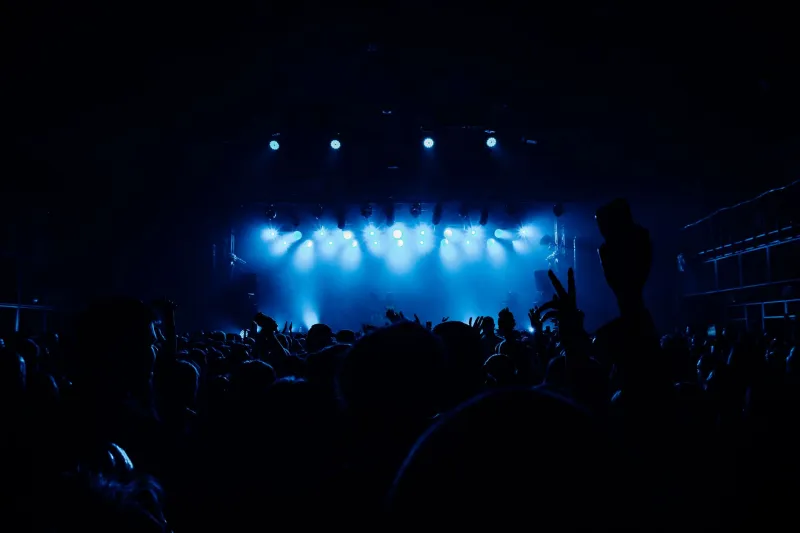
The house lights came up at 11:41 p.m. and I kept playing. Not because I am a rebel. Because forty people were stomping the floor and chanting for one more, and I am, at my core, a person who wants to be liked. Eleven minutes later I was standing in a loading alley in Columbus, Ohio, holding a half-eaten granola bar and learning that the difference between a hero and a problem is often a clock on the wall you cannot see.
The venue manager was nice about it. The union crew was less nice. The email the next morning was extremely nice, which is how you know it was bad. That night became my unofficial PhD in the encore, a ritual that looks spontaneous from the front row and is actually a small, messy negotiation between art, money, labor, ego, and municipal noise ordinances.
The Clock You Cannot See
Every room has two sets of rules. There is the one printed on your contract, and there is the one the building actually runs on. Doors, changeovers, the last call, the neighborhood association, the parking lot that has to be clear before the bars let out. I used to think curfew was a suggestion for people who did not bring enough songs. Now I think of it as the invisible fence around the whole night.
At that Columbus show, the curfew was 11:30. I knew that. I had read the email. But the crowd was loud and the band was locked in and the guy in the front row kept pointing at his own chest like he was personally requesting a song I had already played. So we went back out. We did two. It felt like a movie. It cost the promoter double-time for the crew and put the venue's liquor license in a gray area I still do not fully understand.
Here is the part nobody tells you: the encore is not free. Somebody pays for those eleven minutes. Usually it is the crew, the sound engineer, the bar staff, or the person who has to explain to the city why the noise complaint came from three blocks away. The crowd gets the memory. You get the story. The building gets the bill.
Who Is Actually Asking for the Encore?
I have learned to look past the chant and see who is doing the chanting. There are five kinds of encore people.
First, the true believers. They have been there since doors. They know the deep cuts. They will buy a shirt after the show. Second, the folks who just do not want the night to end. They are not asking for a song. They are asking for a feeling. Third, the tourists who saw a TikTok clip and want the hit. Fourth, the bar staff who are yelling because they also want to go home and the crowd is blocking the exit. Fifth, the one guy who has been screaming the same request since the opener and will not stop even if you play it.
Most rooms are a mix. My job is not to count heads. My job is to figure out whether coming back out will feel like a gift or a hostage situation. If the crowd is warm but the crew is already coiling cables, I stay off. If the room is still locked in and the venue has given me a look that says you have five minutes and I like you, I go. The look is real. Learn the look.
My Three-Question Curfew Test
Before I walk back onstage, I ask three questions. I do not always get the answers right, but asking them keeps me from acting like a golden retriever with a guitar.
-
What does the contract actually say? Not the vibe. The paper. If the hard out is 11:30, then 11:30 is the song. I have started writing the curfew on my setlist in Sharpie. It is not romantic, but neither is a fine.
-
Who is still working? If the sound engineer is already wrapping cables and the bar is stacking stools, the encore is not for the room. It is for me. I try not to make other people work overtime so I can feel loved.
-
Do I have a closer that actually closes? An encore should be a period, not a comma. If I go back out with a half-finished idea and a long story about the road, I am just extending the set with extra steps. I need one song that ends the night cleanly. Usually it is the quiet one or the oldest one. Sometimes it is a cover everybody knows. Never it is a new song I have not rehearsed enough.
If I cannot answer all three, I stay in the wings. The crowd will be disappointed for about ninety seconds. The venue will remember that I respected the room. That trade is almost always worth it.
How to End Without Slamming the Door
The encore is only half the ending. The other half is the exit. I used to sprint offstage like I had forgotten something in the van, which made the chant feel inevitable. Now I do a few small things that make the night land better for everyone.
I thank the opener by name. I thank the sound and light people by name, even if I have to read them off a sticky note. I tell the crowd what time the merch table closes, because the merch table is how I pay for the van. And I do a short, honest goodbye. Not a speech. A sentence. Something like, we are out of time, thank you for being here, drive safe, come say hi.
Then I leave. Actually leave. The worst encores are the ones where the band hovers in the hallway waiting to be begged. That is not a negotiation. That is a bad date.
What I Do Now
I still love the encore. I love the feeling of a room refusing to let go. But I love my relationships with venues more than I love being begged. So I plan for the ending before the show starts. I put the curfew on the setlist. I leave one song in the tank, not two. I talk to the venue manager before doors about what happens if the crowd is hungry. And I decide in advance that if the clock says stop, I will stop.
Eleven minutes past curfew taught me that the encore is not a victory lap. It is a conversation. The crowd asks. The venue sets the terms. The crew pays the price. And you, the person with the guitar, get to be the one who decides whether the ending is generous or just late.
I would rather end on time and be invited back than win the night and lose the room. That is the whole playbook. The rest is just knowing when to say goodnight.