Living Rooms Are the Best Venues in America (If You Don't Get Shut Down)
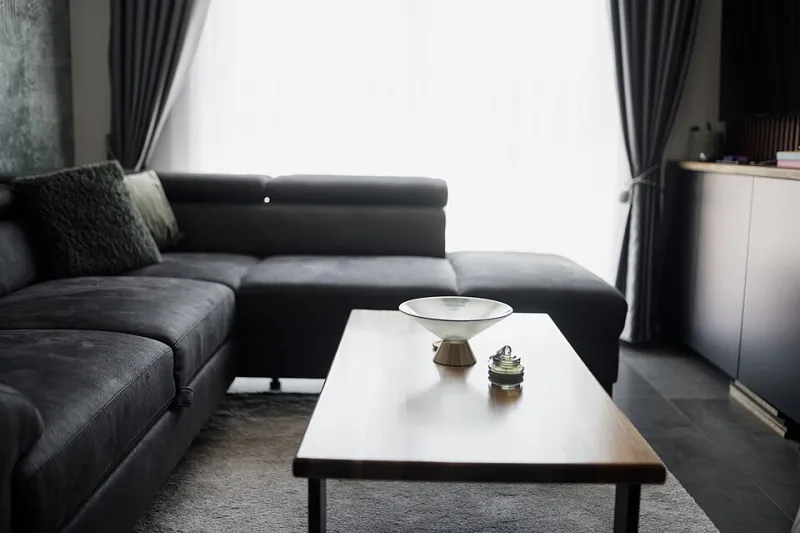
Photo: Shixart1985, CC BY 2.0, via Wikimedia Commons
There's a moment at every great house show — usually around the second or third song — when the room stops being a room. Thirty strangers crammed into a living room become one breathing thing. Nobody's yelling over their drinks. Nobody's checking their phone. The landlord's rules and the noise ordinance and the fact that someone's dog is sleeping on the amp all melt away, and it's just music happening in somebody's home.
It's my favorite venue format in America, and I've played enough of them to have both the war stories and the receipts. I've also played enough to know exactly how they go wrong. So consider this a field guide — part love letter, part survival manual.
Why House Shows Hit Different
A bar show comes with a built-in distraction: the bar. People talk over you. The bartender's cranking the game in the other room. Your set is background noise for someone's Tuesday.
A living room removes all of that. There's nothing to do but listen. The audience is close enough that you can see them mouthing the lyrics back at you, which is either terrifying or the best feeling in music, depending on the night. And financially? A good house show can out-earn a club gig by a mile. No door split, no pay-to-play nonsense, no $4 payout after the venue takes its cut.
The catch: everything that makes them magical also makes them fragile. One neighbor with a phone and a low tolerance, and the whole thing evaporates at 9:47 PM mid-ballad.
Booking One Without the Chaos
The host matters more than the venue. You're not really booking a living room — you're booking a person. Find the ones who've done this before: the folks who host monthly listening-room shows, the superfans who already message you about every release. Those people know how to wrangle a crowd.
A few non-negotiables I've learned the hard way:
- Set expectations early. Ask the host how many people they're realistically expecting. "Everyone I know" is not a number. "Twenty, maybe twenty-five" is a number.
- Cap it. If the space fits forty, don't let sixty RSVP. The host's lease is on the line, not yours — but your reputation is.
- Confirm the neighbors are looped in. A host who introduces themselves to neighbors beforehand, maybe even invites them, is a host worth driving six hours for.
- Get the address the day before, not the hour before. Trust me.
The Sound Ordinance Conversation Nobody Wants to Have
Here's the unsexy truth: most house show deaths are noise complaints, not riots. Every town handles it differently — some cities have hard quiet hours at 10 PM, some go by decibel readings, some just go by how annoyed the guy next door is feeling that night.
The move is simple: front-load your set. Start on time, play tight, and if you're loud, be done by a reasonable hour. An acoustic set at 8 PM beats a full-band blowout that gets axed at 9:30. I've watched bands lose the whole room to a single warning knock because they treated the start time as a suggestion.
If you're playing electric in a residential neighborhood, talk to the host about volume before you load in, not after the first song. A drum kit in a rowhouse is a different animal than a drum kit on five acres out past the county line.
Money: Cash, Venmo, and the Hat
Let's talk about the part artists actually care about. Suggested donation shows work, but "suggested" gets fuzzy when people are holding a beer in one hand and their phone in the other.
What's worked for me:
- A stated donation amount. "$15–20 per person" said out loud by the host before the set starts. Not a hint. Not a hat with no label. A number.
- The host handles the ask. It's awkward for the artist to pass the hat and play at the same time. A good host makes the pitch feel like hospitality, not a toll booth.
- Have a QR code. Half the crowd doesn't carry cash anymore. Make it painless — one scan, one tap, done.
- Merch on a kitchen table. No table? A couch works. Make it obvious where the vinyl and shirts live.
And tip your host's fridge if they're providing drinks. It's the least you can do for someone who just turned their home into your venue for the night.
The Nights That Remind You Why
For every story about a cop politely ending things, there are three that remind me why I keep saying yes to these. The show in Cincinnati where the host cooked everyone jambalaya and the whole room sang the bridge of a song I'd written two weeks earlier. The Denver backyard where a thunderstorm rolled in and nobody moved — we just played louder. The tiny apartment show where a booking agent happened to be in town and sat cross-legged on the floor eight feet from my amp.
That last one matters, too. Industry people know where the real discovery happens. A&R folks aren't hanging out at the bar; they're in living rooms, watching who can actually hold a room with nothing but a guitar and a story.
So if you're a fan: go to the house show when the invite comes. Bring cash, bring a friend, bring a six-pack for the host. If you're an artist: say yes to the weird gig in someone's living room three states away.
Just do the neighbor a favor and end on time.